
Campeche.
I came to Campeche for the first time expecting something like Mérida — colourful, restored, proud of itself. What I found was something quieter and, I think, more honest. The walls are real. The colour is real. The pirate history — the reason those walls exist at all — is real in a way that most Mexican colonial cities have had to romanticise. Campeche doesn't need to.
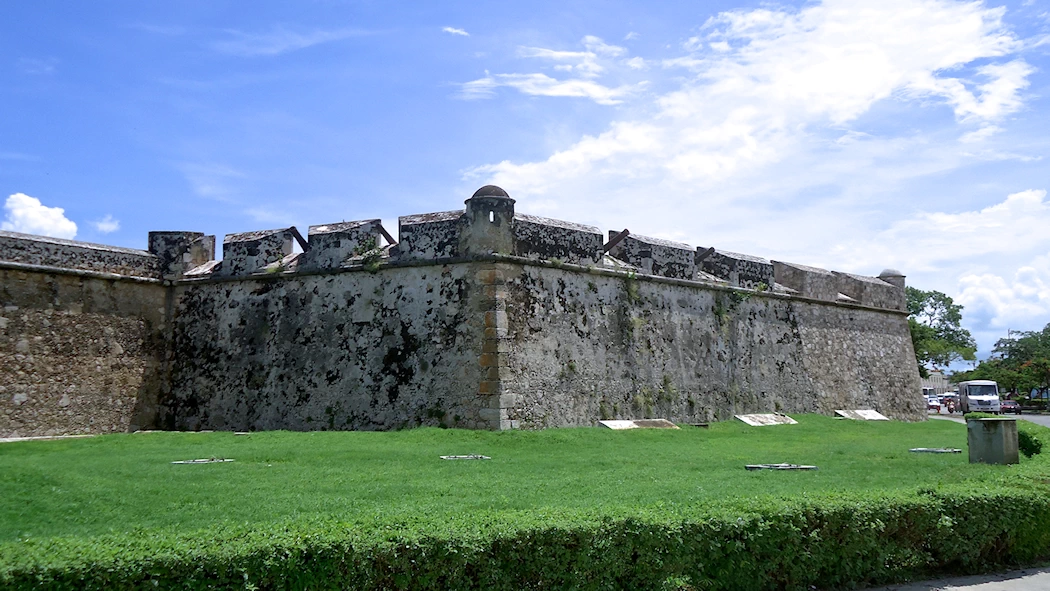
It was the most attacked port city in the Americas. Spanish galleons, French corsairs, Dutch privateers — all of them came for the logwood trade that made Campeche one of the wealthiest cities on the Gulf coast. The walls you walk along today weren't built for atmosphere. They were built because the city kept getting sacked.
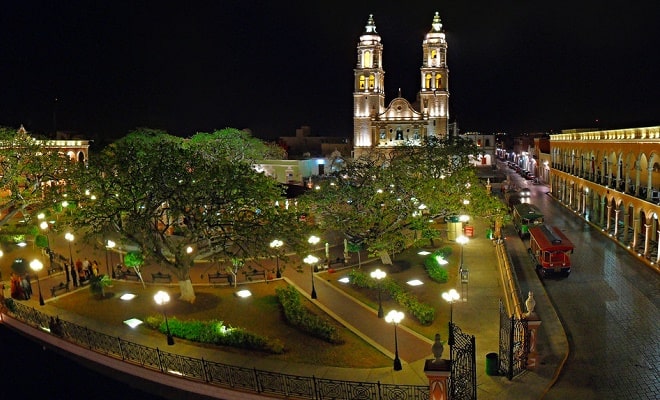
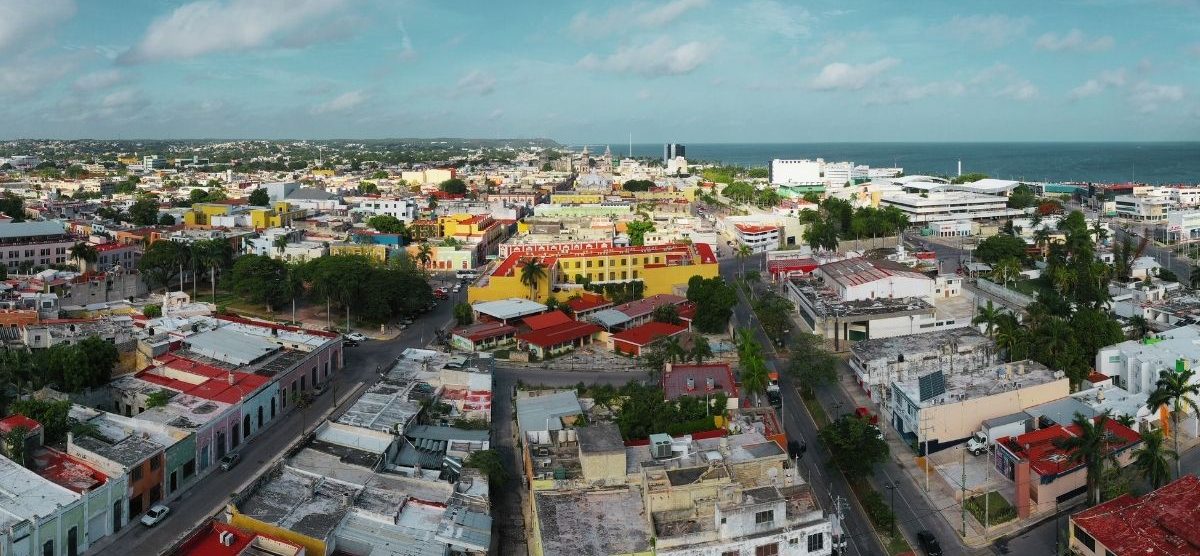
Inside the walls, the historic centre is compact and walkable — a UNESCO World Heritage Site since 1999. The colours that define the city (ochre, rose, mint, sky blue, burnt sienna) aren't decorative choices. They're the original pigments, maintained because the law requires it. Campeche looks the way it always looked, not the way someone decided it should look for tourists.
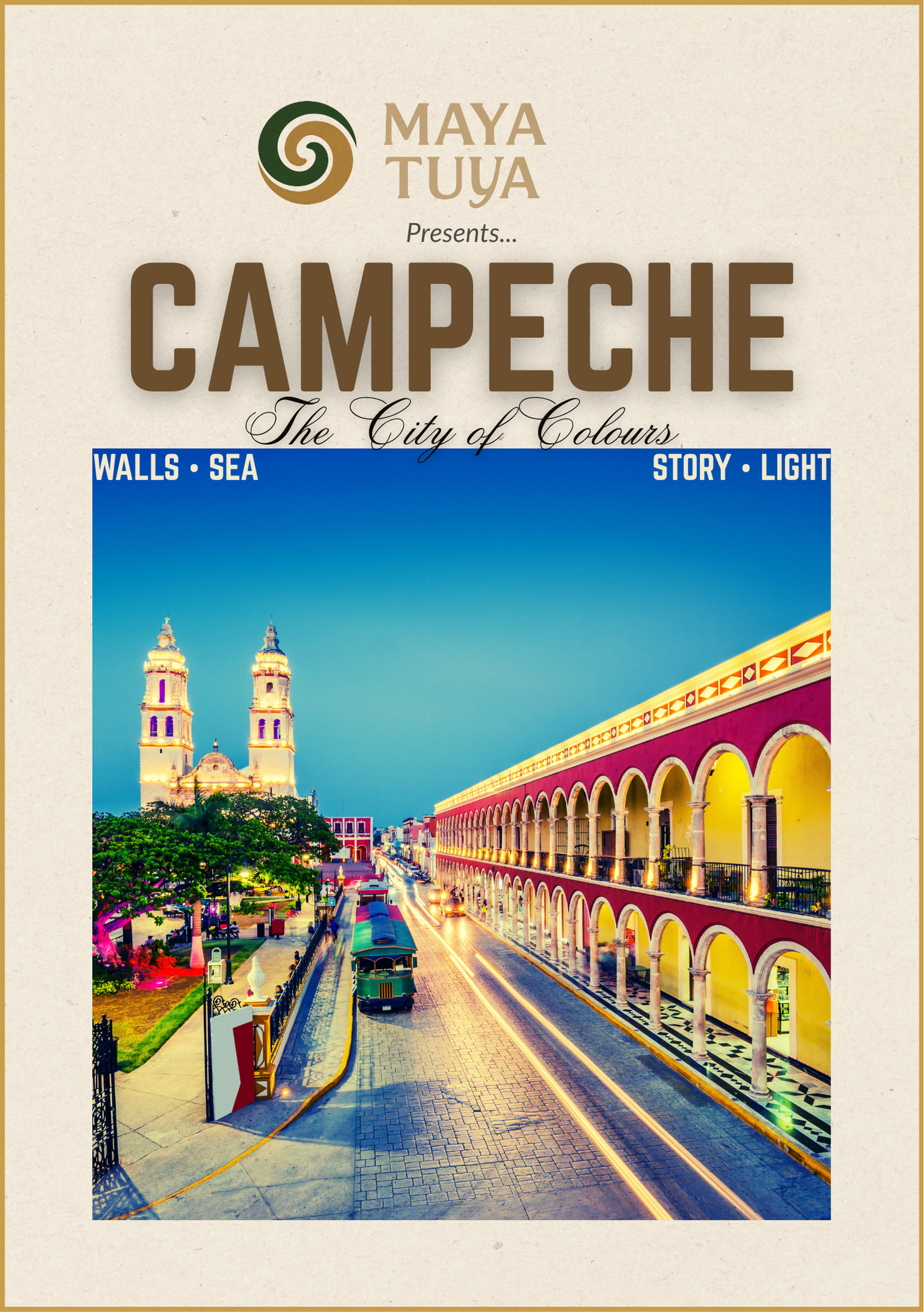
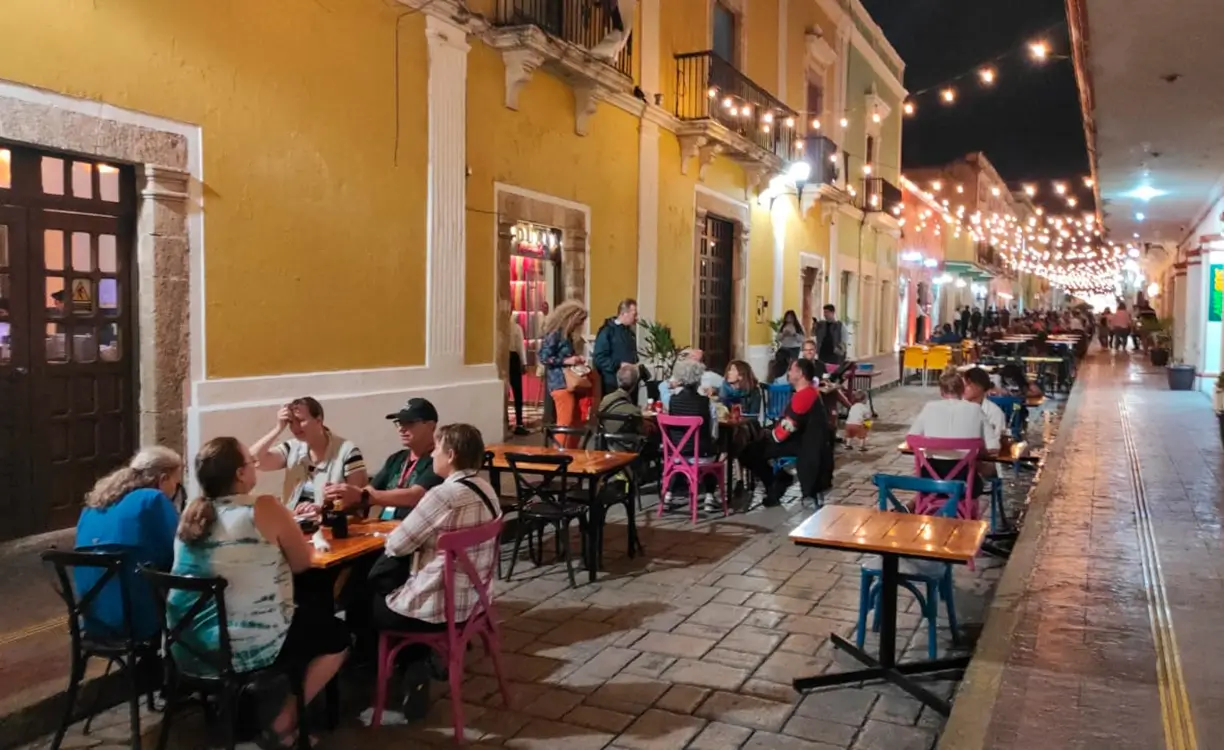 Calle 59 — the spine of the historic centre.
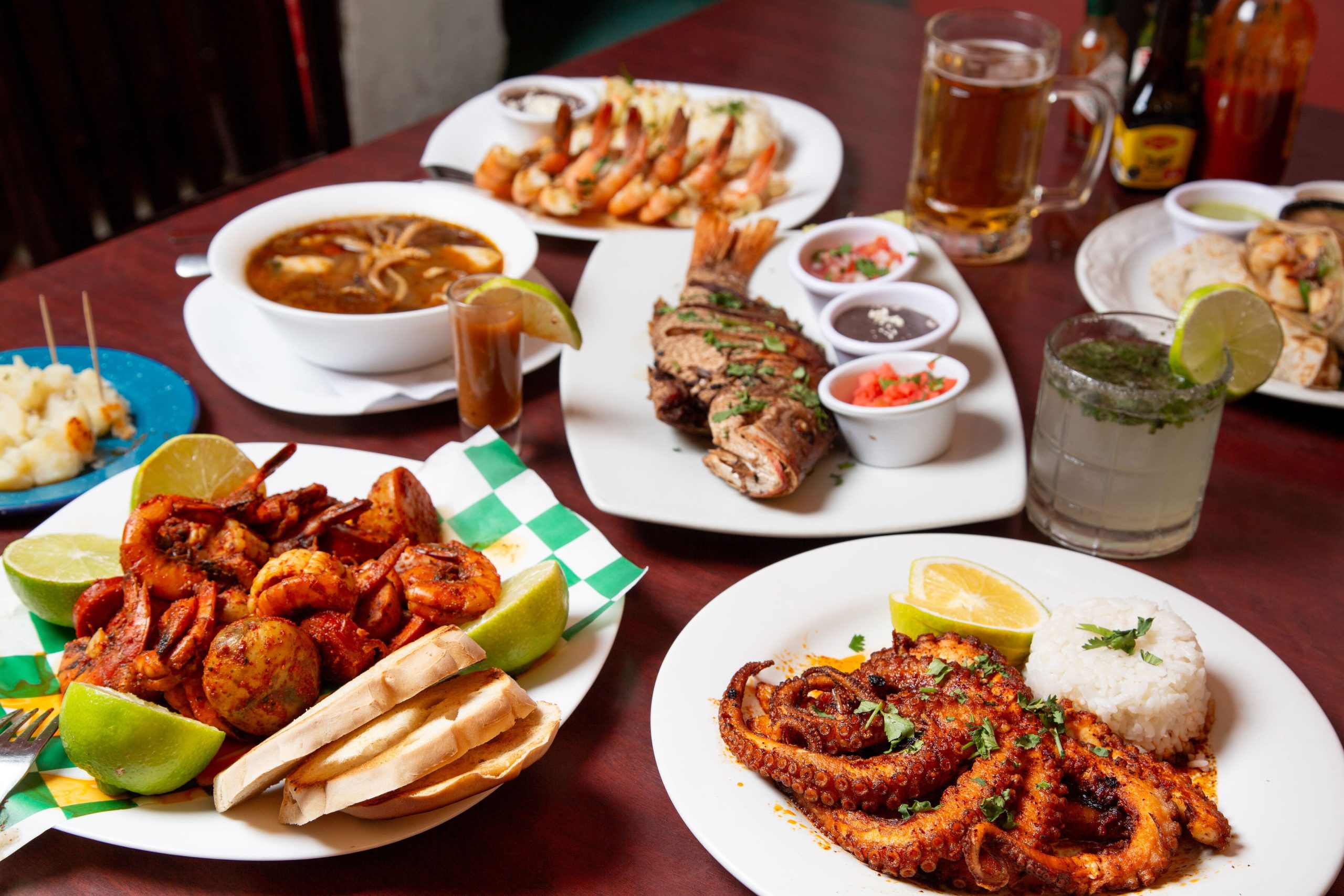
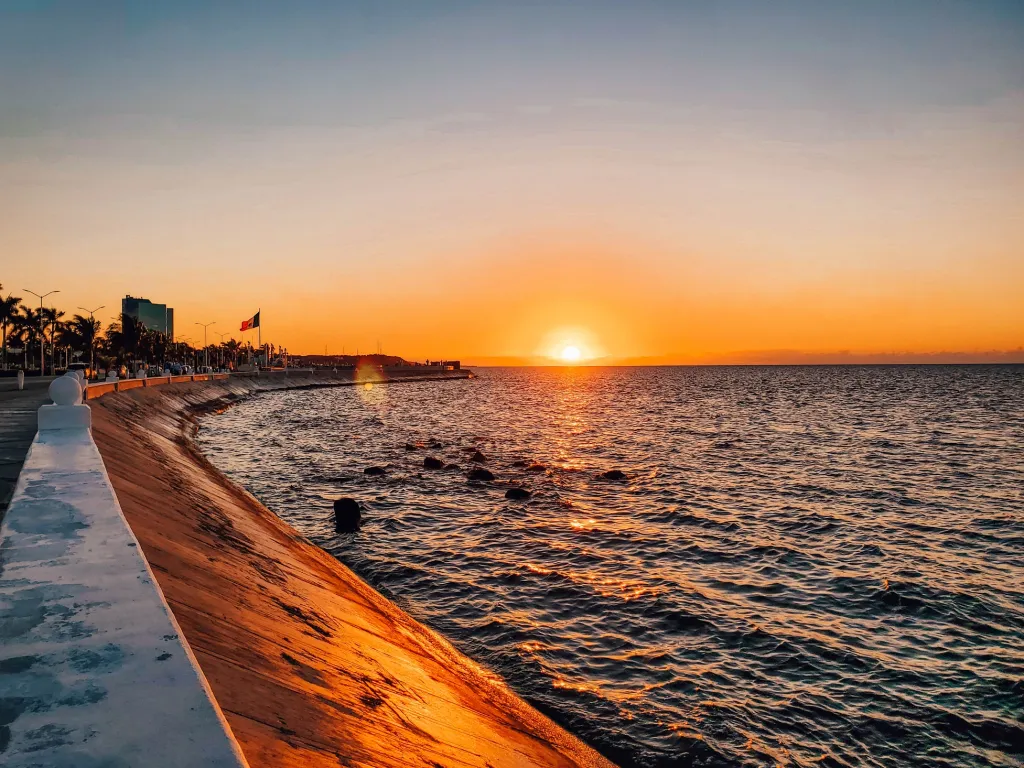
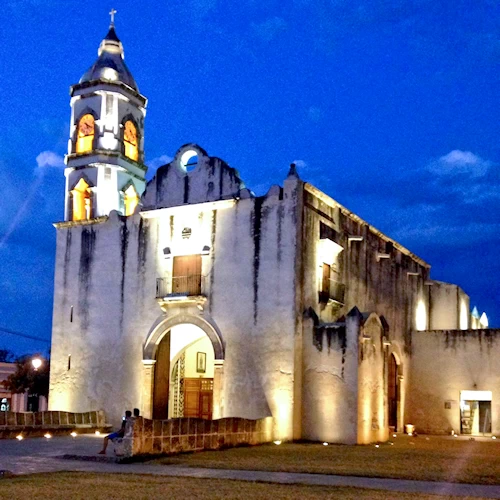
Most visitors come for a day, see what they expect to see, and leave. The ones who stay longer find the barrios — the traditional neighbourhoods just beyond the walls, each with its own church, its own market, its own tempo. They find the coast road at dusk. They find a meal that doesn't exist on any ranking, in a restaurant full of locals, on a street with no English on the signage.
That's what this guide is for. Not to tell you what Campeche is — you'll feel that when you get here — but to make sure you don't spend your first morning flustered on a corner wondering how to get to the centre. The practical things matter. The structure lets everything else in.
UNESCO World Heritage Site
Cool, dry, exceptional light
Tren Ligero to historic centre (12 MXN)
Taxi: ~200 MXN from station
Taxi: 60–100 MXN city-wide
Agree price before entering
Everything you need,
one page at a time.